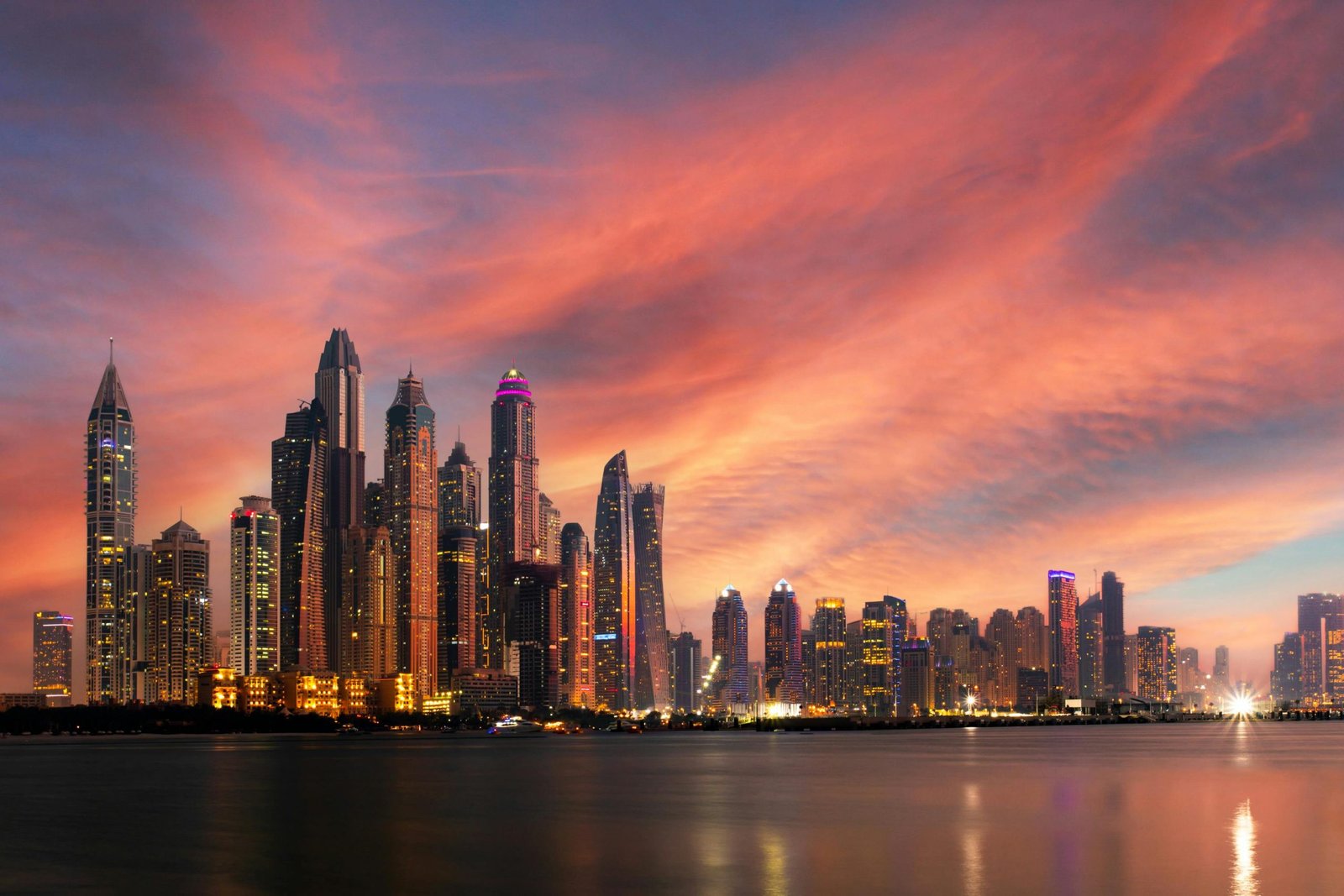
Dubai has become a name synonymous with growth, innovation, and global opportunity. Over the past decade, the emirate has consistently positioned itself as a magnet for investors, families, and businesses seeking stability and high returns. As 2025 unfolds, the real estate sector in Dubai is once again making international headlines, not just for record-breaking sales but also for its steady market fundamentals and global investor confidence.
In this detailed trend analysis, we’ll explore the key reasons why Dubai is ranked as the world’s top real estate investment destination in 2025. From infrastructure expansion to favourable policies and lifestyle appeal, every factor points towards a city that continues to set benchmarks for property investment worldwide.
1. Record-Breaking Market Performance in 2024
Dubai’s real estate market closed 2024 with historic highs. According to the Dubai Land Department, total property transactions crossed AED 761 billion, marking the strongest year ever for the city. This record was not just a short-term spike; it reflected deeper market stability supported by a growing population, expanding economic sectors, and rising demand for both residential and commercial properties.
In 2025, the market shows no signs of slowing down. Average prices have climbed steadily by 12% year-on-year, with villas seeing growth of up to 29%. Apartments, too, are showing strong demand, particularly in mid-range communities where urban convenience meets affordability. Such resilience places Dubai far ahead of many global cities that are struggling with inflation, interest rate pressures, or stagnant property values.
2. Investor-Friendly Government Policies
One of Dubai’s strongest appeals for international buyers is its pro-investment policy framework. The government has taken deliberate steps to ensure the emirate remains open and attractive to foreign investors.
- Golden Visa Program: Investors meeting certain property value thresholds are eligible for long-term residency visas, giving them the ability to live, work, and study in the UAE with ease.
- Full Foreign Ownership: Unlike many countries where property ownership is restricted for non-citizens, Dubai offers freehold ownership in designated zones, making property acquisition transparent and secure.
- Tax Advantages: With no annual property tax, capital gains tax, or inheritance tax, Dubai offers one of the most favorable tax environments for real estate investors globally.
Together, these policies create an ecosystem that not only attracts first-time buyers but also encourages bulk purchases, multi-unit acquisitions, and long-term portfolio building.
3. Population Growth and Migration Trends
Dubai’s population surpassed the 4 million mark in 2024, and forecasts suggest this number will continue to rise as expatriates relocate for work, business, or lifestyle reasons. According to global wealth migration reports, the UAE ranks among the top destinations worldwide for high-net-worth individuals. This steady influx of residents drives consistent housing demand across luxury, mid-tier, and rental markets.
Beyond wealthy individuals, Dubai has also become a hub for young professionals and digital entrepreneurs seeking a global base. Its business-friendly environment, zero income tax policy, and central location connecting Europe, Asia, and Africa make it an ideal choice. Population growth directly translates to increased property demand, creating sustained opportunities for investors.
4. Infrastructure and Mega-Projects Fueling Demand
Dubai’s vision has always been tied to ambitious infrastructure. In 2025, several mega-projects are shaping the market landscape:
- Dubai South & Al Maktoum International Airport Expansion: Designed to be the world’s largest airport, the project is driving massive demand in Dubai South, positioning it as a long-term real estate hotspot.
- New Public Transport Routes: Dubai’s Roads and Transport Authority continues to expand metro and bus networks, connecting emerging communities to key commercial hubs.
- Tourism-Driven Developments: From waterfront marinas to cultural districts, Dubai continues to enhance its tourism appeal, boosting demand for holiday homes and short-term rentals.
Each new development not only enhances the city’s livability but also increases the value of properties in surrounding areas, giving early investors a significant edge.
5. Global Appeal and Lifestyle Attractiveness
Dubai is more than a business hub; it is a global lifestyle destination. The city is consistently ranked among the safest urban centers worldwide, with high standards of healthcare, education, and leisure. Add to this year-round sunshine, luxury retail, world-class dining, and cultural diversity and you have a location that blends business with lifestyle seamlessly.
For investors, this global appeal matters because it ensures a continuous flow of tenants and buyers. Holiday homes perform exceptionally well in Dubai thanks to its tourism sector, which welcomed over 17 million visitors in 2024, and is projected to grow further in 2025. The strong demand for both long-term rentals and short-stay accommodation means investors can benefit from multiple revenue streams.
6. Strong ROI Compared to Global Cities
When compared to other major hubs such as London, New York, Hong Kong, or Singapore, Dubai consistently offers higher rental yields. Average gross yields in the city range from 6% to 8%, with some communities reaching double digits. In contrast, many established global cities struggle to deliver more than 3–4% yields.
This gap has not gone unnoticed by global investors, who increasingly view Dubai as both a safe haven and a growth hub. The combination of strong rental returns, price appreciation, and tax efficiency positions Dubai among the best performing property markets in the world.
7. Diversified Real Estate Options
Another reason Dubai leads in 2025 is the wide range of real estate options available to buyers:
- Luxury Waterfront Residences in Dubai Marina, Palm Jumeirah, and Emaar Beachfront.
- Mid-Range Communities such as Dubai Hills Estate, Jumeirah Village Circle, and Dubai South that balance affordability with lifestyle amenities.
- Commercial and Office Spaces that cater to the growing number of businesses relocating to the region.
- Holiday Homes benefiting from booming tourism and short-term rental demand.
This diversity ensures that investors of different budgets and strategies can find opportunities aligned with their goals.
8. Global Positioning and Strategic Location
Dubai’s geographic location remains one of its strongest assets. Sitting at the crossroads of East and West, the city is less than eight hours away from two-thirds of the world’s population. This connectivity strengthens its role as a business hub and positions it as a gateway for global trade and investment.
With international investors from Asia, Europe, Africa, and the Middle East converging in Dubai, the city’s real estate market benefits from broad global demand rather than reliance on a single nationality. This global positioning makes the market more resilient and diversified than many others.
9. Sustainability and Innovation in Real Estate
Dubai’s future growth is also being guided by sustainability and innovation. The emirate has pledged ambitious green targets and is encouraging developers to focus on energy-efficient buildings, smart homes, and eco-friendly communities. Projects featuring solar panels, green spaces, and sustainable construction materials are increasingly gaining traction.
Investors are recognizing the long-term value of properties aligned with global environmental goals. In 2025, demand for sustainable housing is expected to grow, offering forward-thinking investors an opportunity to stay ahead of the curve.
10. Long-Term Security and Stability
Finally, Dubai’s commitment to stability sets it apart. The UAE government has consistently maintained an investor-first approach, ensuring transparency in property transactions, strengthening escrow regulations, and improving dispute resolution mechanisms. Coupled with a globally recognized legal framework, this makes Dubai one of the most secure markets for international buyers.
While global uncertainties continue to affect other major economies, Dubai stands out as a city that blends opportunity with reliability. This balance makes it not just a trend of 2025, but a market with sustainable long-term prospects.
