
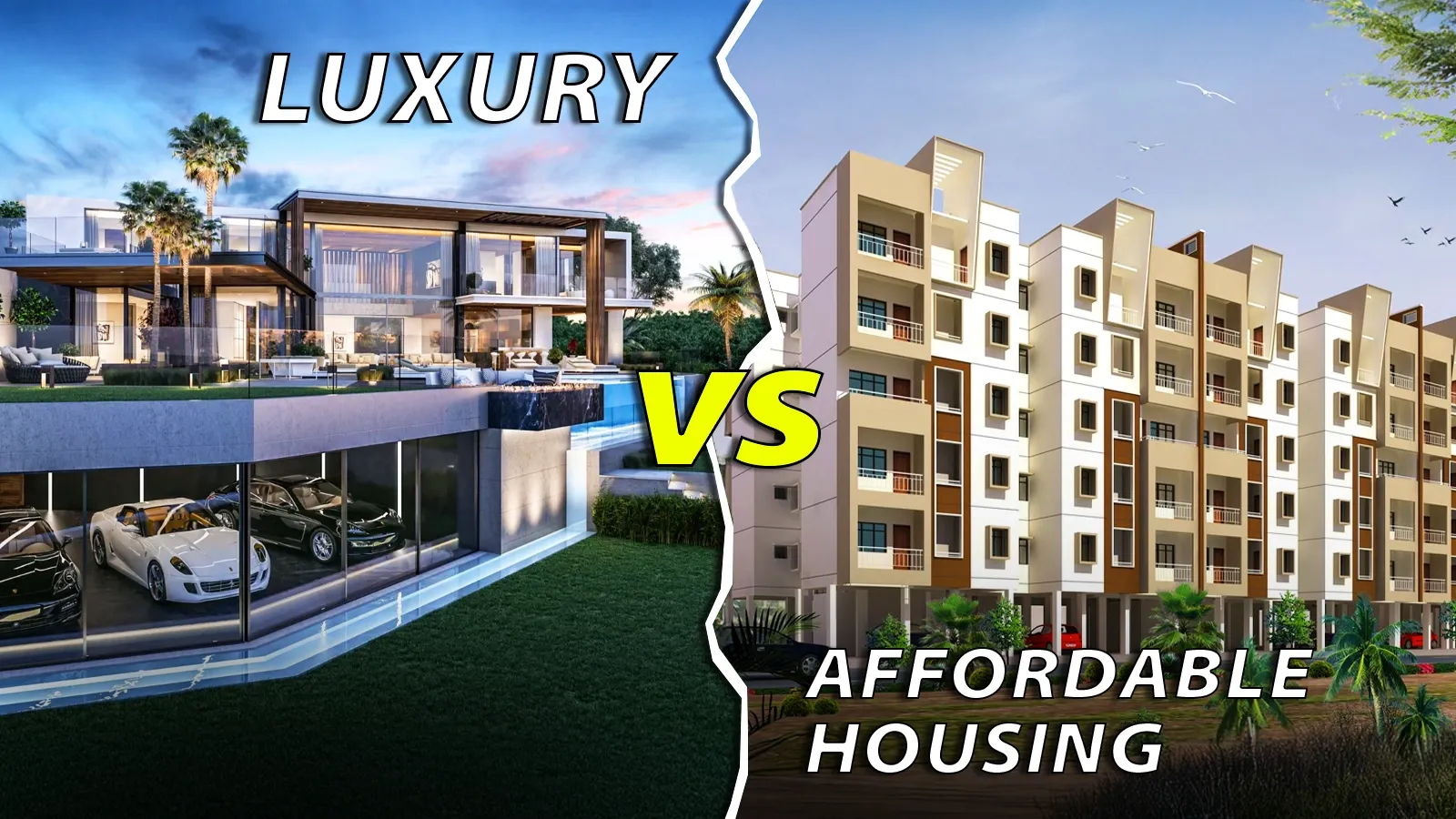
When it comes to property investment for the long term, one of the biggest debates remains: should you invest in luxury or affordable properties? Both options can be profitable, but they operate in very different ways. Understanding how each behaves in terms of value appreciation, rental potential, and risk can help investors make smarter, more strategic decisions.
What Defines Each Segment
Before comparing performance, it’s essential to define what we mean by each category.
Luxury properties represent the upper end of the market premium finishes, prime locations, and a lifestyle appeal. They cater to high-net-worth individuals and tenants looking for exclusivity, space, and amenities. These homes are status symbols as much as investments.
Affordable properties, on the other hand, focus on accessibility. They serve middle-income buyers and renters, often located in emerging neighbourhoods or developing urban zones. These properties don’t boast high-end finishes but maintain strong and steady demand.
Luxury housing tends to offer prestige and potential for higher appreciation, while affordable housing delivers volume, stability, and liquidity.
Capital Appreciation and Value Growth
Luxury properties are often found in limited-supply, high-demand areas. Because of scarcity, their value can rise quickly during market booms. They also attract investors looking for trophy assets that appreciate faster in cities where land is limited.
However, this segment’s appreciation of cyclical luxury real estate is highly sensitive to the broader economy. During downturns, the market for premium assets shrinks because fewer buyers are willing or able to pay top-tier prices.
Affordable properties usually appreciate more gradually but with greater consistency. Their steady upward trajectory is supported by continuous end-user demand. For investors seeking predictable growth rather than sharp cycles, this stability can be appealing.
Rental Yield and Income Stability
When it comes to rental yield, affordable properties usually outperform luxury assets. Because they cater to a wider audience, they rarely face prolonged vacancy periods. Renters in this segment are consistent, driven by necessity rather than luxury preference.
Luxury rentals can command higher absolute rent figures but face a smaller tenant pool. A luxury apartment could stay vacant longer because the potential tenant base is narrower, and economic slowdowns can hit this market hard.
In contrast, affordable properties tend to deliver a steady cash flow and lower vacancy risks. This reliability often translates into better overall yield percentages, even if the rent per unit is smaller.
Entry Cost and Financing
The entry barrier for luxury investments is high. They require significant upfront capital, larger down payments, and greater financing costs. For investors with limited liquidity or those looking to diversify across several assets, this can restrict flexibility.
Affordable properties offer accessibility. With lower unit costs, investors can spread their funds across multiple properties or markets, reducing concentration risk. They’re also easier to finance and may qualify for government incentives in certain regions.
From a portfolio standpoint, affordable housing allows investors to diversify both geographically and demographically, which can provide protection in volatile markets.
Maintenance, Operational Cost, and Risk
Luxury homes come with ongoing costs that can eat into profits, high maintenance fees, property management charges, and expensive materials. Amenities such as concierge services, landscaping, and premium facilities further increase the expense load.
Affordable housing, by contrast, is simpler to maintain. Lower finishing standards and less extravagant amenities mean operational costs are contained. As a result, net returns can remain strong even when gross yields are moderate.
The risk exposure is also different. Luxury property owners depend on a small, often elite, group of tenants or buyers. Affordable property investors rely on a much broader base a safety net when the economy softens.
Liquidity and Market Size
Liquidity or how easily an asset can be sold, is another major distinction.
Luxury properties, while desirable, serve a narrow audience. Their resale depends heavily on market sentiment and economic optimism. In slower cycles, luxury listings can sit unsold for months, even years, unless prices are cut significantly.
Affordable housing, on the other hand, appeals to a mass market. First-time homebuyers, middle-income families, and investors seeking rental income create constant demand. This broad buyer base ensures faster turnover and better liquidity.
From a long-term investor’s perspective, liquidity isn’t only about selling; it’s also about flexibility, the ability to refinance, lease, or repurpose a property when needed. Affordable housing provides more of that flexibility due to its broader appeal.
Risk and Sensitivity to Market Cycles
Luxury properties are often tied to the fortunes of the wealthy and the overall economy. When markets tighten, buyers and tenants in this bracket may postpone purchases or scale down. Thus, luxury housing can experience deeper corrections during recessions.
Affordable housing tends to perform more steadily in downturns because it serves a fundamental need for shelter. As a result, occupancy rates remain resilient even when other sectors contract. This segment acts as a natural hedge during uncertain times, offering protection through consistent cash flow.
When Each Segment Makes Sense
Choosing between luxury and affordable property depends on your investment goals.
If you seek capital growth, own substantial liquidity, and can hold through downturns, luxury may appeal to you. These assets can generate impressive appreciation when market cycles favour premium real estate, particularly in global gateway cities.
If your goal is steady income and lower volatility, affordable properties often win. They’re easier to manage, easier to rent, and less likely to suffer dramatic value swings. For investors building long-term passive income streams, this segment delivers consistent returns with lower risk.
Ultimately, a balanced portfolio that includes both segments high-end properties for appreciation and affordable ones for stable yield can help investors achieve long-term stability and growth.
The Investor’s Perspective
The long-term real estate play is not about chasing glamour or volume, it’s about aligning investments with financial strategy and market understanding. Luxury and affordable properties each have their own ecosystems, and recognizing how they perform over time allows investors to make informed, grounded decisions. Both can build wealth if handled strategically, but their timelines, risks, and rewards differ dramatically.
