

Dubai’s property market is stepping into 2026 with strong demand, stable price growth, and a new wave of buyers from around the world. Whether you’re planning to secure a family home, invest in a future-proof community, or enter the market for the first time, understanding the 2026 Dubai real estate landscape will help you make confident decisions.
The city continues to attract residents through its tax-friendly environment, global connectivity, and steady infrastructure growth. With new policies, buyer-centric reforms, and stronger transparency, 2026 is shaping up to be one of the most active years for residential purchases in Dubai. Here’s a deep look at what buyers can expect.
Shifting Demand Patterns in 2026
One of the biggest changes expected in 2026 is how people choose their homes. While luxury waterfront districts remain attractive, a noticeable shift is happening toward affordable and mid-range suburban communities. Areas like Dubai South, JVC, DAMAC Hills 2, and Meydan are gaining traction due to competitive pricing and strong rental yields.
Buyers are also searching for larger layouts, private outdoor areas, and community-driven environments. This shift was triggered by remote work flexibility and a growing preference for long-term residency options.
Another rising trend is the demand for smart homes, driven by energy-efficient designs, integrated home systems, and sustainability-focused features. Developers are responding with greener construction plans and community facilities aimed at long-term living rather than short-term turnover.
Price Trends Heading Into 2026
Property analysts expect steady price growth rather than sharp spikes. Dubai’s market has matured, reducing volatility and encouraging safer investment conditions.
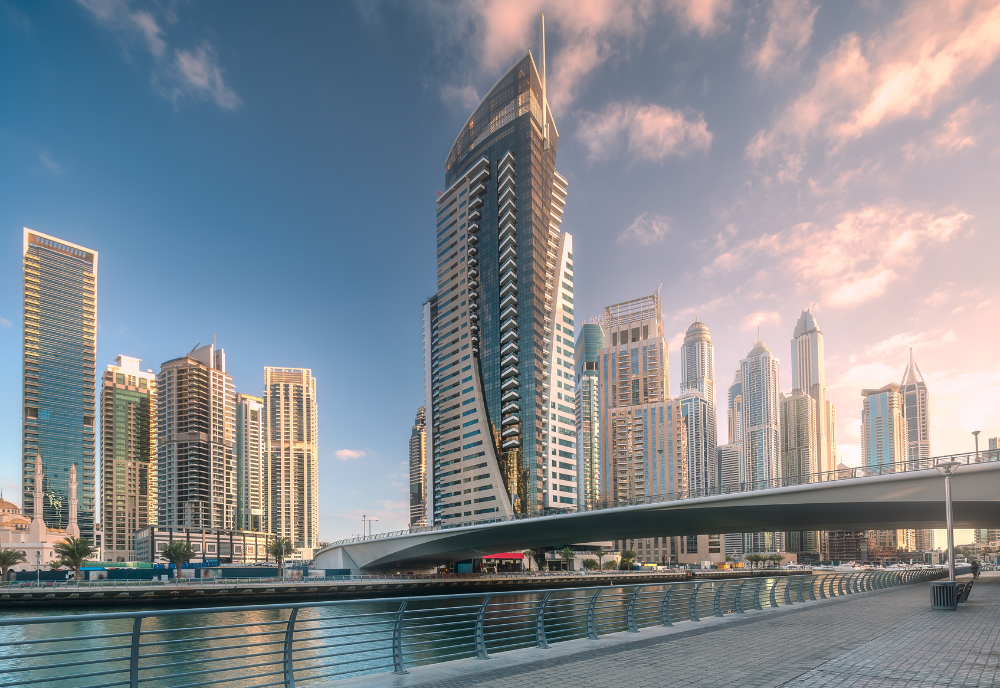
Prime districts such as Downtown Dubai, Palm Jumeirah, and Dubai Marina are expected to maintain high demand. Prices in these zones may see moderate increases due to limited supply and premium location value.
Meanwhile, emerging communities are projected to outperform in terms of volume. With more handovers and new master developments launched, buyers will have access to wider inventory, better payment plans, and competitive developer incentives.
Long-term investors and end-users can expect a stable environment where value holds well and rental returns remain attractive.
New Rules Buyers Should Know in 2026
Dubai continues to introduce reforms to improve transparency and buyer protection. By 2026, several updates are expected to influence transactions, ownership, and due diligence requirements. These policies are designed to strengthen trust and ensure smoother processes for residents and foreign investors.
The freehold ownership framework remains unchanged, giving non-UAE nationals the right to fully own property in designated zones. However, additional oversight on escrow accounts, construction monitoring, and handover timelines helps protect off-plan buyers.
Visa-related property categories are also expanding. Owning real estate worth a certain threshold continues to qualify residents for long-term visas, making property-linked residency a major motivation for many buyers entering the market.
Smart Home-Buying Strategies for 2026
The Dubai property market rewards preparation and timely decisions. Buyers entering the 2026 landscape should focus on strategies that reduce risk, unlock better pricing, and secure future appreciation.
Below is the only bullet-point section you requested:
- Compare freehold zones before shortlisting locations, as each district has its own pricing patterns and growth outlook.
- Evaluate off-plan vs ready properties, depending on whether you prioritise lower entry prices or immediate occupancy.
- Request a project payment schedule, including post-handover plans if offered by the developer.
- Analyse service charges, which can differ widely depending on community amenities and facilities.
- Study past performance of developers, including project delivery timelines and build quality.
- If financing, obtain pre-approval from banks early to strengthen your position and avoid delays.
- Review future infrastructure developments around the area, such as schools, metro lines, and retail zones.
- Consider long-term rental demand, especially if planning to use the home as a secondary income source.
Off-Plan vs Ready Homes in 2026
Choosing between off-plan and ready properties remains one of the biggest decisions buyers face.
Off-plan properties continue attracting interest due to lower initial costs, extended payment plans, and the potential for strong capital appreciation before handover. Developers in 2026 are expected to offer flexible plans with smaller down payments, making off-plan purchases more accessible to first-time buyers.
On the other hand, ready properties appeal to those wanting immediate occupancy or quick rental returns. With more international residents relocating for work, ready units retain strong demand across mid-range and prime communities.
Both markets carry advantages; the key is aligning your choice with your budget, goals, and desired move-in timeline.
Location Analysis: What Buyers Prefer in 2026
Location remains the most powerful factor when buying a home. In 2026, preferences are expected to concentrate around areas offering balanced pricing, access to amenities, and long-term community development.
Family-friendly locations with strong schooling networks and recreational spaces are gaining traction. Communities with parks, cycling paths, beaches, and retail centres generate consistent demand and appreciation.
Proximity to transport routes, especially the expanding Dubai Metro and upcoming infrastructure projects, continues to influence purchase decisions. Even emerging districts far from the city centre attract interest when linked to major highways and urban plans.
The Rise of Long-Term Residency Through Property Purchases
One of the most impactful changes in Dubai’s real estate landscape is the strong link between property ownership and long-term residency. The Property Investor Visa remains a popular option, allowing buyers who meet specific value thresholds to secure multi-year residency.
In 2026, more buyers from Europe, South Asia, and the Middle East are expected to choose Dubai as their primary residence due to job stability, safety, and lifestyle quality. This shift supports consistent demand for homes within both affordable and premium districts.
As Dubai positions itself as a global living destination, demand for well-planned communities, smart homes, and sustainable designs will continue rising.
Market Confidence and Buyer Protection in 2026
Dubai’s regulatory framework ensures a safe buying environment. Government entities maintain strict monitoring over developer activities, project progress, contract transparency, and escrow operations.
Buyers can access detailed project information before signing contracts, and new digital systems are making documentation faster and more secure. This combination of transparency and regulation strengthens market confidence and attracts both local and international buyers.
With clear legal processes, strong dispute resolution mechanisms, and structured guidelines for off-plan purchases, Dubai remains one of the most secure real estate markets globally.
What Makes 2026 a Strategic Year to Buy a Home in Dubai
Looking ahead, the market presents a blend of stability, affordability in key districts, and a growing supply of modern housing options. Developers are focusing on sustainable communities, integrated lifestyle amenities, and energy-efficient construction.
The city’s economy continues to diversify, supporting long-term property demand. Population growth projections remain strong, with more expatriates choosing long-term residency due to improved visa pathways and work opportunities.
For buyers seeking value, stability, and long-term appreciation, 2026 is shaping up as a promising year to enter or expand in Dubai’s residential market.
