Dubai’s property market is moving fast. For years, the focus was almost exclusively on the golden triangle of Downtown, the Marina, and the Palm. While those areas remain vital, the real story right now is happening on the edges. As the city pushes toward its 2040 Master Plan, we are seeing a distinct shift. New clusters of activity are forming, driven by massive infrastructure projects and a population that is growing faster than supply can keep up with.
For investors and homebuyers, looking at emerging areas Dubai real estate is no longer a gamble; it is a strategy. The launch of new communities and the expansion of existing ones tell us exactly where the city is heading. It is moving inland, it is moving towards sustainable green living, and it is moving towards self-sufficient districts.
Infrastructure Development Driving Change
You cannot talk about real estate growth without looking at the roads and rails that support it. The expansion of Al Khail Road and Hessa Street has fundamentally changed the accessibility of areas that once felt “far out.”
Infrastructure is the biggest leading indicator for property value. When the government announces a new interchange or a metro extension, savvy buyers pay attention. The Blue Line Metro expansion, for instance, is set to connect growing residential hubs directly to the airport and commercial centers. This connectivity is the lifeline for future Dubai neighborhoods. It turns a thirty-minute drive into a fifteen-minute commute, instantly making a suburb more viable for working professionals.
Population Growth Projections
Dubai is getting busier. The numbers don’t lie. With the population projected to hit 5.8 million by 2040, the current housing stock simply isn’t enough. This pressure is pushing development outward. Developers are racing to fill the gap, not just with high-rise towers, but with integrated communities that offer schools, hospitals, and retail all within walking distance. This population surge is the engine behind the rise of Dubai growth communities 2026. People need places to live, and they are looking for value and space, two things that are becoming harder to find in the traditional city center.
Analyzing the Growth: A Look at Key Communities
We can see these trends playing out clearly when we look at the specific communities currently drawing attention. From the waterfronts to the suburban green belts, here is how different neighborhoods are shaping the market.
Majan and DubaiLand: The New Suburban Hubs
If you are tracking emerging areas Dubai real estate, Majan and the wider DubaiLand district should be on your radar. Historically seen as secondary locations, these areas are rapidly transforming into primary residential destinations.
Majan is seeing a wave of new mid-rise developments. It appeals heavily to families and young professionals who are priced out of Downtown but still want modern amenities. The infrastructure here has improved drastically, making it an easy drive to the city center.
DubaiLand continues to be massive. It is essentially a city within a city. The growth here is driven by space. Developers can build larger townhouses and villas with gardens, amenities that are scarce in the city center. The trend here is clear: value for money. As transport links improve, DubaiLand is becoming the go-to for the mid-market segment.
Motor City Dubai: Maturing into a Lifestyle Destination
Motor City was once known just for the Autodrome, but it has quietly become one of the most liveable neighborhoods in Dubai. It is no longer “emerging” in the sense of being brand new, but it is emerging as a prime example of community success.
The trend here is “walkability.” With its cobbled streets and retail strip, it offers a village feel that is rare in Dubai. The growth here is now about refinement. New launches in and around Motor City are capitalizing on the established reputation of the area. It proves that once infrastructure settles, demand spikes.
Sobha Hartland: The Green Heart
Sobha Hartland represents a different trend: luxury close to the center. Located in MBR City, it is technically a newer development compared to Downtown, but it has quickly established itself.
The focus here is on green space and low density. In a city of skyscrapers, Sobha Hartland offers a horizontal living experience just minutes from the Burj Khalifa. The success of this area validates the demand for “resort-style” living within the urban core. It attracts high-net-worth individuals who want the location of future Dubai neighborhoods without the noise of the busiest districts.
Dubai Islands: The Next Waterfront Frontier
Deira has always been the commercial heart of old Dubai, but Dubai Islands is rewriting its future. This is a massive undertaking, aiming to add over 20 kilometers of beachfront to the city.
This project tells us that the appetite for waterfront living is nowhere near satisfied. It is designed to pull tourism and luxury living northward. For investors, this is a long-term play. It is currently in the heavy development phase, but the scale of infrastructure going in suggests it will be a major anchor for the city’s northern expansion.
Dubai Healthcare City: Wellness-Centric Living
This is a niche that is gaining traction. Originally purely a medical zone, Dubai Healthcare City is evolving into a residential location for medical professionals and those prioritizing wellness. It sits in a strategic location near the Creek. The growth here highlights a trend toward “work-close-to-home” living. As specialized sectors grow, residential clusters form around them to support the workforce.
The Established Giants: Downtown Dubai, Business Bay, and Dubai Marina
Even as we look at Dubai growth communities 2026, we have to acknowledge the heavyweights: Downtown Dubai, Business Bay, and Dubai Marina.
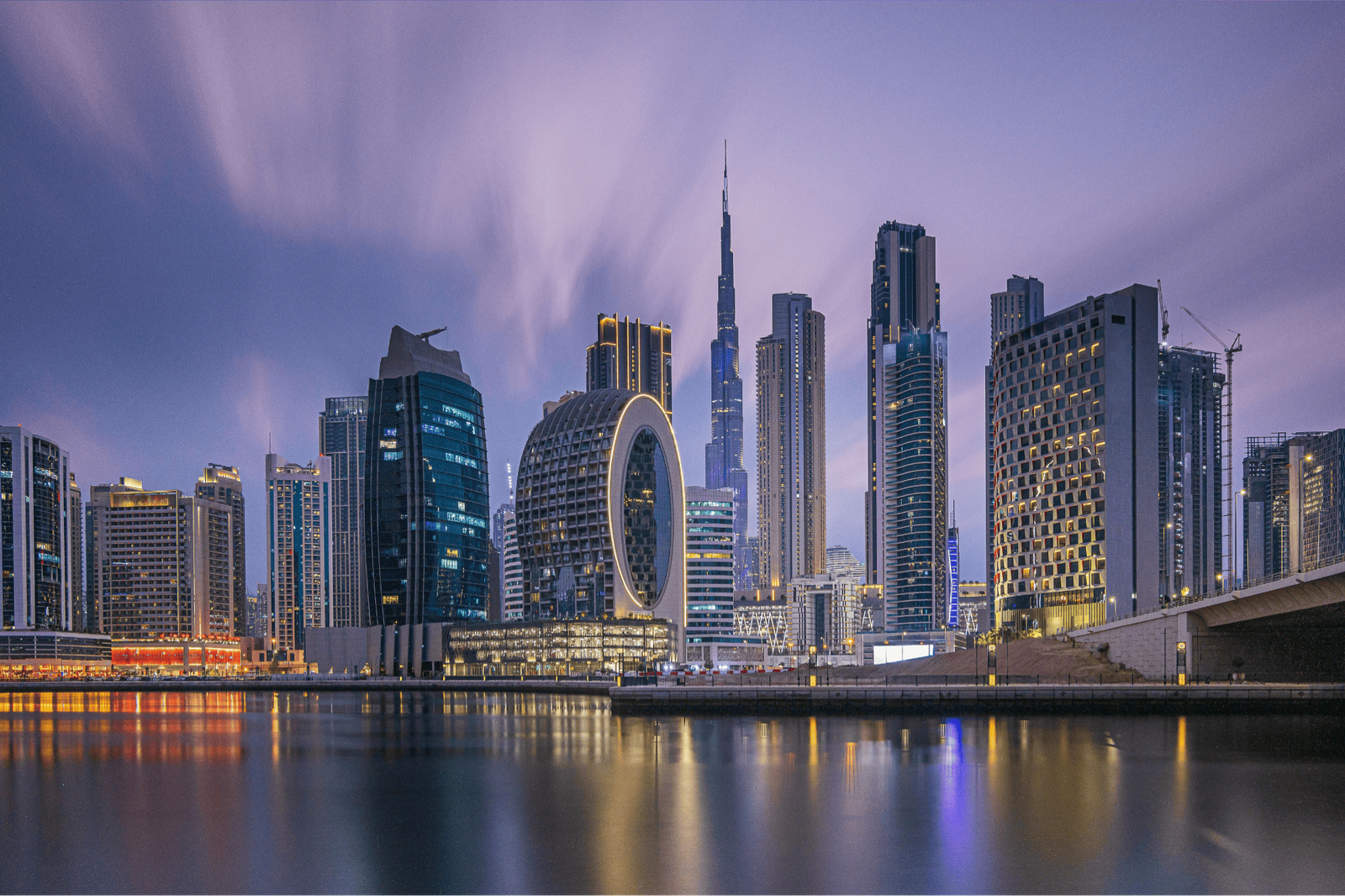
These areas are not static. Business Bay is currently undergoing a massive transformation. It is shedding its “office-only” reputation and becoming a true mixed-use waterfront district with the canal extension. The trend here is “infill” development, taking remaining plots and building ultra-luxury branded residences.
Downtown Dubai remains the benchmark for capital appreciation, while Dubai Marina continues to hold the crown for expatriate rental demand. However, the growth in these areas is now vertical and luxury-focused. They set the price ceiling that allows emerging areas like Majan or DubaiLand to offer a competitive alternative.
New Transport Links Connecting the Dots
The glue holding all these communities together is the transport network. The future of Dubai real estate is transit-oriented. Properties located within a 10-minute walk of a Metro station or a major bus link are seeing faster appreciation than those that rely solely on cars.
As the city expands, the “time-cost” of commuting becomes a major factor in rental and sales prices. The new bridges connecting Dubai Islands, the Metro expansion towards Dubai Investment Park, and the road widenings around DubaiLand are all direct responses to this need.
What This Means for 2026
The market is maturing. We are moving away from speculative buying based on hype and towards purchasing based on livability and connectivity.
For the next few years, the smart money is watching the “spillover” effect. As Downtown and the Marina become saturated and expensive, the demand naturally spills over into the nearest well-connected neighbors. That is why areas like Sobha Hartland (near Downtown) and DubaiLand (accessible via major highways) are seeing such activity.
The launch of these new communities confirms that Dubai is preparing for a long-term population boom. The developers are betting on a future where the city is wider, greener, and more connected. Whether you are looking at the affordability of Majan, the luxury of Dubai Islands, or the established vibe of Motor City, the signals are positive. The map of Dubai is being redrawn, and the opportunities are in these new lines.
