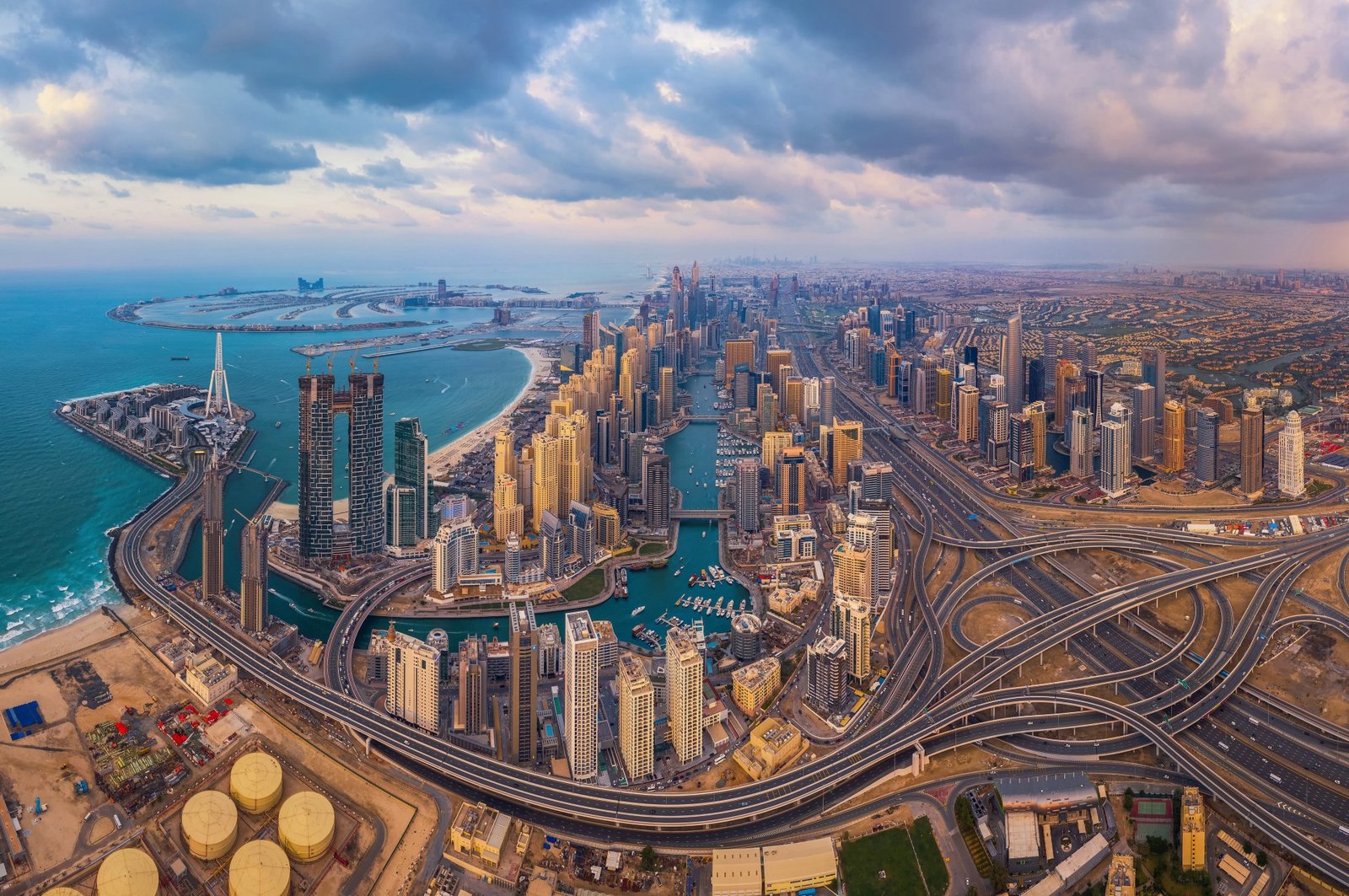
Dubai is not simply building structures; it is constructing an entirely new model for twenty-first-century urban living. The city’s skyline, a dramatic tapestry of steel and glass, serves as a worldwide beacon of ambition, a literal high-rise testament to what a city can achieve when guided by a clear, long-term vision. This growth is rooted in a fundamental strategy to pivot the economy away from oil dependence and establish the emirate as a global hub for trade, tourism, and finance. The result is a cityscape where every architectural choice is a statement about its future, transforming what was largely a desert landscape into one of the world’s most dynamic and densely built urban environments.
The architectural boom is more than just a race for height; it’s a focused effort in complex urban design and engineering innovation. The construction sector here is a powerhouse, with output projected to swell to $130.8 billion by 2029. This massive investment is concentrated in mixed-use projects and residential real estate, underpinning a market experiencing strong growth, recording $62 billion in sales for the first half of 2024. This financial momentum funds the city’s radical transformation from its roots into a model for future, hyper-connected mega-cities.
The Engineering Behind the Icons: Burj Khalifa and Architectural Prowess
No discussion of Dubai skyscrapers can begin without examining the Burj Khalifa. At 828 meters, it is an unchallenged icon of human ingenuity. Its success comes down to clever engineering and a deep understanding of structural dynamics. The tower’s distinctive Y-shaped floor plan, inspired by the desert Hymenocallis flower, is not merely aesthetic. This three-lobed footprint helps to confuse wind patterns, significantly reducing the forces applied to the structure and preventing vortex shedding, which can cause severe vibrations. This is critical for stability in a region prone to high winds.
Furthermore, the construction involved a massive, multi-layered foundation system. Beneath the building, a thick reinforced concrete mat is supported by over 192 bored concrete piles, each driven 50 meters deep into the sub-surface to distribute the skyscraper’s immense load. The outer skin is equally sophisticated, featuring a custom-designed cladding system made of aluminum and glass panels. This façade is engineered to reflect ultraviolet rays and manage infrared heat transmission, a vital feature that drastically cuts the load on the building’s extensive cooling systems. This combination of advanced wind engineering, complex foundational work, and thermal management defines the sophisticated construction standards of Dubai architecture.
Shaping Tomorrow’s City: The Dubai 2040 Urban Master Plan
The physical expansion of Dubai is strategically mapped out in the Dubai 2040 Urban Master Plan, a comprehensive framework that directs the city’s evolution toward a more human-centered and sustainable existence. The plan anticipates a population increase to 5.8 million by 2040 and focuses on creating integrated, inclusive communities.
A core component of this strategy is the “20-Minute City” concept. This initiative is designed to drastically improve the quality of urban living by ensuring that 80% of residents live within a 20-minute walk or cycle of essential services. This means that parks, retail centers, healthcare facilities, and public transport stations will be easily accessible on foot, reducing the reliance on private vehicles, easing congestion, and lowering the city’s carbon footprint. The goal is to foster a walkable, community-focused environment where daily life is convenient and less stressful.
The plan’s commitment to green space is equally ambitious: green and recreational spaces are set to double by 2040, with nature reserves and rural areas expanding to cover 60% of the Emirate. This isn’t just about aesthetics; it’s a tactic to combat the urban heat-island effect, promote biodiversity, and provide residents with more natural outdoor leisure zones.
Life in the Vertical City: Residential and Commercial Dynamics
The concentration of people in these massive vertical buildings fundamentally shifts the experience of urban living. Skyscrapers in districts like Dubai Marina and Downtown Dubai are essentially self-contained ecosystems offering a mix of residential, commercial, and leisure spaces. Owning property in an iconic structure is often viewed as a symbol of status and luxury, attracting high-net-worth individuals globally. However, the market dynamics are broader.
The latest real estate trends show that while luxury remains strong, the market is also maturing and focusing on affordability.
- Apartments Dominate: The apartment segment contributes 91% of the transaction increase, fueled by affordability and higher rental yields, making it the backbone of the residential market.
- Off-Plan Investment: Over 60% of transactions are in off-plan sales, indicating strong future investment confidence and a continuous pipeline of new supply.
- Targeting the Mid-Income Segment: The most significant portion of the mortgage market now consists of mid-income buyers (earning AED 20,000 to AED 40,000 per month) who are primarily purchasing homes for occupancy rather than investment, suggesting a shift towards long-term residency.
- Luxury Sector Growth: The high-end market remains robust, with a 47% year-on-year transaction growth, primarily focused on key areas like Palm Jumeirah and Dubai Hills Estate.
These high-rise residences are supported by world-class amenities, from high-speed vertical transportation systems to connected sky bridges and retail precincts, creating a density that supports a vibrant, 24/7 lifestyle right outside the door.
Architecture as a Statement: More Than Just Height
Dubai’s ambition extends beyond mere functionality; the city uses architecture to capture the world’s imagination. Structures often serve a symbolic purpose. The Museum of the Future, with its striking, script-covered torus shape, represents the city’s forward-thinking approach to technology and design. The Dubai Frame is a clever architectural bridge, literally framing views of the city’s older quarter on one side and the modern skyline on the other, symbolising the connection between past and future. The Cayan Tower, also known as the Infinity Tower, in Dubai Marina features a daring 90-degree twist from base to crown, defying traditional residential tower design and providing optimal natural light and views for its residents.
Looking forward, the upcoming generation of supertalls, projects like the Burj Azizi (planned to be one of the world’s tallest) and the re-initiated Dubai Creek Tower, demonstrate that the city’s drive to push the boundaries of structural possibility continues unabated. These projects are not just buildings; they are part of a national narrative, securing Dubai’s reputation as a global laboratory for innovative future city design.
The Role of Smart Infrastructure
The sheer scale of Dubai’s vertical urban environment requires equally advanced infrastructure management. The Dubai 2040 Urban Master Plan strongly emphasizes digital and smart systems. The concept of a “predictive city” is taking hold, utilizing Internet of Things (IoT) sensors and a centralized, GIS-based urban planning database. This allows for real-time monitoring and optimization of roads, public transport, lighting, and utilities.
Smart mobility solutions are central to this transformation. The expansion of the Metro network, including the new Blue Line, and the integration of flexible transit modes like robo-trams and last-mile shuttles, will significantly enhance connectivity. In the world of Dubai skyscrapers, where density is king, efficiency in movement and resource management is paramount. By deploying technology to manage resources and traffic, Dubai aims to ensure that its physical expansion is supported by a robust, intelligent, and sustainable urban planning backbone, ultimately ensuring a high quality of life for its residents. The city is making a powerful case that its vertical architecture is the key to creating a compact, connected, and prosperous future city.
