

With its opulent lifestyle, strong economy, and welcoming atmosphere for business, Dubai has quickly emerged as one of the most desired locations for real estate investment. With the introduction of freehold properties, foreign investors now have unprecedented opportunities to buy freehold property in Dubai and secure their stake in this vibrant metropolis. The city is an excellent option for anyone hoping to invest in real estate because of its advantageous location and vibrant cultural environment.
In this comprehensive guide, we will explore everything you need to know about how to buy freehold property in Dubai, including the distinctions between leasehold and freehold ownership, freehold areas in Dubai, the legal procedure, and the ownership rights granted to foreign buyers. This guide will give you the information you need to successfully navigate Dubai’s ever changing real estate market, regardless if you are a first time investor or an experienced one looking to expand more knowledge.
Freehold VS Leasehold Properties – Understanding the Difference
Understanding the distinctions between freehold and leasehold ownership is crucial before delving into the details of buying freehold property in Dubai. Every form of ownership has distinct benefits and drawbacks that affect the choices of prospective purchasers. Anyone wishing to invest in Dubai’s vibrant real estate market must understand these differences. Here is a brief overview of both:
- Freehold Ownership
When you buy freehold property in Dubai, you attain complete ownership of the property and the land it occupies. You can keep or sell the property for as long as you choose because this ownership is not time limited. Greater investment security and the possibility of significant value growth over time are offered under such ownership.
Additionally, freehold ownership gives you greater freedom, allowing you to lease the home and make money from rentals. In addition to offering chances for personal use or possible resale, this extra revenue can increase your return on investment. Freehold property ownership may also provide foreigners with the opportunity to apply for longer-term residency visas, making it a desirable choice for those wishing to settle in Dubai.
- Lease Ownership
Leasehold ownership, on the other hand, entails renting the property for a predetermined amount of time, typically between 30 and 99 years. Ownership returns to the freeholder at the end of this term, so the lessee has limited privileges and does not actually own the land. Buyers looking for more reasonably priced residences in desired areas may benefit from this arrangement. However, in contrast to freehold properties, it restricts control and long-term security.
Leasehold homes do not offer the same long-term investment potential, even if they might still be worth a lot, particularly in desirable locations. The lease terms, including any options for renewal, should be carefully considered by buyers because they have a direct impact on the occupancy and value of the property.
Freehold Areas in Dubai
The Dubai government has designated specific areas as freehold areas in Dubai where foreign nationals can purchase property. Here are some of the most notable locations:
- Dubai Marina: High-rise structures, breathtaking views, and an elite lifestyle are the hallmarks of this opulent waterfront neighborhood. Both locals and investors wishing to buy freehold property in Dubai will find this region to be quite appealing.
- Palm Jumeirah: A man-made island famous for its opulent villas and hotels, offering a unique lifestyle experience. Investing in freehold property here allows buyers to enjoy exclusive access to beaches and canals.
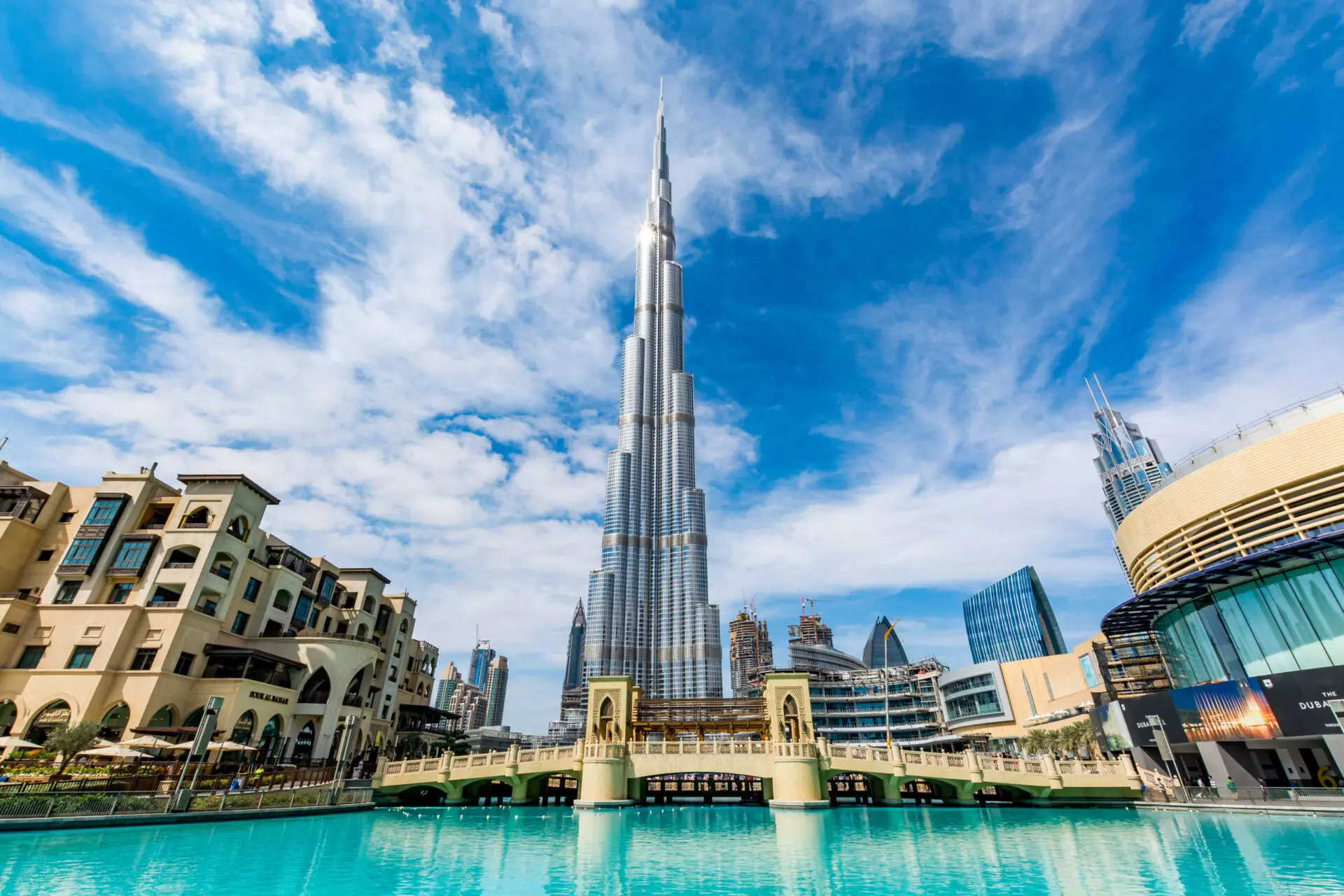
- Downtown Dubai: Home to the iconic Burj Khalifa and The Dubai Mall, this area serves as a hub for both business and leisure.
- Jumeirah Lake Towers (JLT): It is a vibrant neighborhood with commercial and residential skyscrapers surrounded by man-made lakes. This vibrant setting attracts numerous foreign investors seeking opportunities in Dubai property ownership.
- Dubai Sports City: A vibrant community designed around sports facilities, perfect for active lifestyle seekers. The demand for sports-related living spaces lends itself to great potential if you’re considering buying freehold property in the region.
- Business Bay: A multi-use project that is perfect for business professionals because it has retail, residential, and commercial space. This prime location is appealing for those looking to invest in foreign property ownership in Dubai.
In addition to their opulent facilities, these freehold areas in Dubai have drawn interest due to their potential for rental revenue and capital growth. Owning a freehold property in these areas can provide investors with significant returns as the demand for real estate in Dubai continues to rise.
Legal Process of Buying Freehold Property
For an agreement to go smoothly, it is essential to comprehend the legal procedure for buying freehold property i n Dubai. Here’s a step-by-step brief guide on how to take things forward from the initial stage:
- Step 1 – Establish Your Budget: Make sure you have a defined budget before you begin your search. Take into account not just the price of the property but also extra costs like maintenance, agent commissions, and registration fees.
- Step 2 – Engage a Real Estate Agent: Hire a reputable real estate agent who specializes in the Dubai property market. They can guide you through the buying process, helping you find freehold properties that match your criteria.
- Step 3 – Property Viewing: Set up visits after you’ve narrowed down your selection of possible properties. This enables you to personally inspect the properties and appraise their features, location, and state.
- Step 4 – Submit an Offer: You can make a formal offer to the seller of a property you want to buy. To get a fair price, your real estate agent can bargain on your behalf.
- Step 5 – Sales Agreement: A Memorandum of Understanding (MoU) outlining the conditions of the sale will be signed by both parties upon acceptance of your offer. A deposit, usually around 10%, is typically required at this stage to secure the property.
- Step 6 – Due Diligence: To make sure the property has no outstanding debts, mortgages, or legal issues, your attorney or real estate agent will perform due diligence. In order to prevent possible problems after the purchase, this step is essential.
- Step 7 – Obtain a No Objection Certificate (NOC): Once due diligence is complete, it’s necessary to obtain a No Objection Certificate from the property developer, confirming that they have no objections to the sale.
- Step 8 – Final Payment and Transfer: After obtaining the NOC, the buyer must pay the remaining amount of the purchase price. Once the payment is made, both parties will head to the Dubai Land Department (DLD) to complete the transfer of ownership. You’ll need to pay a registration fee, typically 4% of the property’s value.
- Step 9 – Handover of Property: Following the completion of the ownership transfer, the seller will turn over the property and provide you the title deed, which will prove your legal ownership.
Ownership Rights for Foreigners
In order to ensure a secure setting for foreign investors, Dubai property laws permit foreign nationals to purchase freehold properties in specific locations. The UAE has put into effect investor-friendly rules, such as the possibility to get long-term residency visas based on property investments, to further promote foreigners’ ownership of real estate.
Rights Granted to Property Owners
When you buy freehold property in Dubai as an expat, you gain several rights, including:
- Full Ownership: Under established Dubai property laws, you possess complete authority over the land and property as the freehold owner, which allows you to live there, rent it, or sell it as you think is necessary.
- Rental revenue: Since foreign property ownership in Dubai permits non-residents to lawfully lease their residences, you can create a steady revenue stream by leasing your property.
- Residency Options: Depending on the value of your investment, you may be able to apply for residency if you own property in Dubai.
- Selling Rights: You are allowed to sell your home to overseas buyers at any time.
Considerations for Foreign Buyers
While the laws are favorable, foreign buyers should keep track of few considerations while buying freehold property in Dubai:
- Legal Advice: Employ local legal expertise to guide you through the purchase process and ensure compliance with Dubai property laws.
- Market Research: Before making an investment, particularly when investing in designated freehold regions, look into market trends and forecasts.
- Additional Fees: Be mindful of other costs associated with property ownership, such as maintenance fees, service charges, and property taxes.
Both domestic and foreign investors find purchasing freehold property in Dubai to be a compelling option. Dubai continues to build the foundation for a thriving real estate market with a wide variety of freehold areas in Dubai to pick from, an easy legal process, and profitable ownership rights.
Buying freehold property provides both a stable financial opportunity and an opulent lifestyle as the city grows. Dubai’s ever-changing real estate market has plenty to offer, whether you’re searching for a long-term investment, a vacation house, or a rental property.
