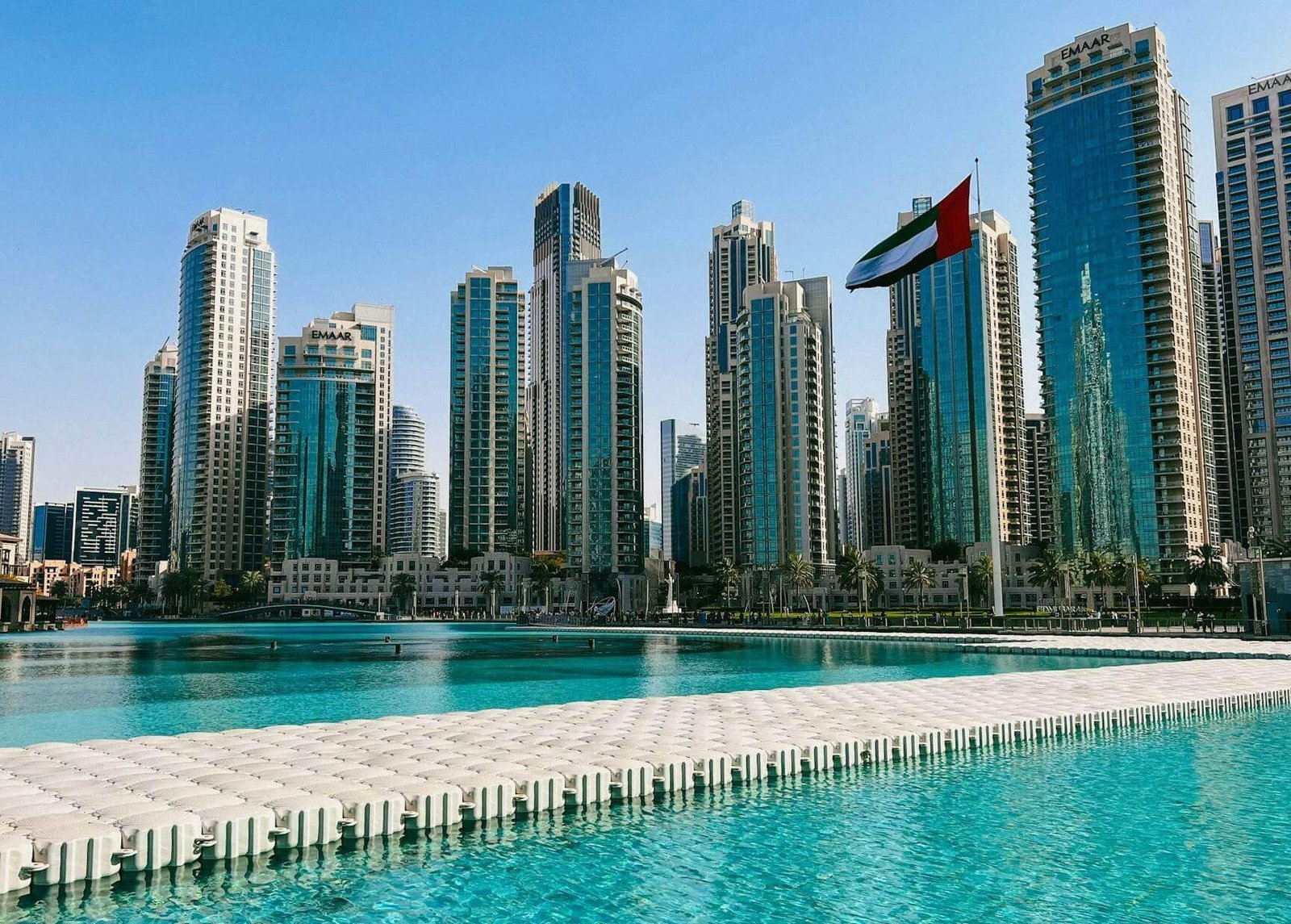
Dubai’s commercial property sector is entering a powerful growth phase. As 2026 approaches, investors are taking note of the market dynamics that make commercial real estate in Dubai a lucrative opportunity. Strong demand, limited supply, government incentives, and growth in industrial and mixed-use developments all point toward a market ripe for investment.
Limited Office Space Availability
The demand for office space in Dubai has reached historic levels. In the third quarter of 2025, commercial property sales reached AED 30.38 billion, representing a 31% increase compared to the previous year. Office transactions alone amounted to AED 3.1 billion across 1,153 units, an 18% rise from the previous quarter and a 93% increase year-on-year.
At the same time, the availability of high-quality Grade A office space has tightened, driving higher rental yields and capital values. CBRE reports that office occupancy rates have climbed to approximately 94%, highlighting the shortage of premium office space in key districts such as DIFC, Business Bay, and Dubai Marina. This combination of strong demand and constrained supply positions 2026 as a prime window for investment.
Capital Growth and Rising Rental Yields
Prime office spaces in Dubai’s leading business hubs are witnessing substantial value appreciation. In 2025, projected increases in prime office values range between 8% and 12%, reflecting both short-term momentum and long-term potential.
Rental rates are rising sharply across the city. In some top-grade buildings, annualized rent growth has reached up to 20%. Even secondary office sales have surged, with average prices hitting AED 1,685 per square foot in the third quarter of 2025, marking the highest level in over a decade. These trends indicate that investors entering the market now could benefit from both consistent rental income and long-term capital growth.
Government Reforms and Investor-Friendly Policies
Dubai’s government has introduced several reforms to encourage investment in commercial real estate. Recent changes now allow foreign-owned companies to operate on the mainland without losing their free zone benefits. Free zone companies can secure onshore permits, simplifying business setup and operations.
Additionally, long-term residency programs, such as the Golden Visa, are attracting international entrepreneurs, driving demand for commercial properties. Freehold ownership in key business districts allows investors to retain full control of their assets, enhancing flexibility and security. These regulatory incentives reduce barriers to entry for foreign investors and provide confidence for long-term investment.
Growth in Industrial and Logistics Properties
The industrial and logistics sector in Dubai is experiencing significant growth. E-commerce expansion and global trade activity have increased demand for warehouse and storage facilities near major trade hubs and free zones, such as Jebel Ali Free Zone (JAFZA) and Dubai South.
Rental rates for industrial properties have surged, with some locations seeing year-on-year growth exceeding 40%. These trends suggest that investing in industrial and logistics assets offers not only strong rental returns but also potential for long-term capital appreciation. Investors who position themselves strategically in these areas are likely to benefit from the continued expansion of Dubai’s logistics sector.
The Rise of Mixed-Use Developments
Mixed-use developments that combine office, retail, and residential spaces are gaining popularity among tenants and investors alike. These integrated projects cater to the growing demand for walkable, connected environments and provide a range of amenities that enhance tenant satisfaction.
Modern features such as digital infrastructure, sustainability measures, and energy-efficient designs increase property appeal. ESG-certified buildings in particular are commanding higher valuations, offering investors both immediate and long-term benefits. The trend toward mixed-use, smart developments is expected to continue accelerating in 2026, adding another layer of opportunity for commercial property investors.
Key Market Dynamics Driving 2026 Investments
The convergence of strong demand, tight supply, and government incentives is shaping a market with substantial upside potential. Office rents are rising, industrial growth is strong, and high-quality mixed-use developments are attracting premium tenants. Investors entering the market now are positioned to benefit from both short-term rental income and long-term appreciation.
Moreover, the strategic location of Dubai as a regional business hub continues to support its commercial real estate market. The city offers unparalleled access to Middle East, African, and Asian markets, which strengthens its position as a global commercial center. These factors collectively create a unique investment window in 2026, making it a promising year for Dubai commercial property.
Potential Risks to Consider
While the outlook is positive, investors should remain mindful of certain risks. The office supply pipeline may expand by 2027, potentially affecting rental growth if demand does not keep pace. Macroeconomic shifts and global market volatility could impact leasing activity and investor confidence. Additionally, operational costs, including maintenance and service charges, should be factored into investment decisions.
Being aware of these risks allows investors to make informed decisions and identify opportunities that balance growth potential with market realities.
