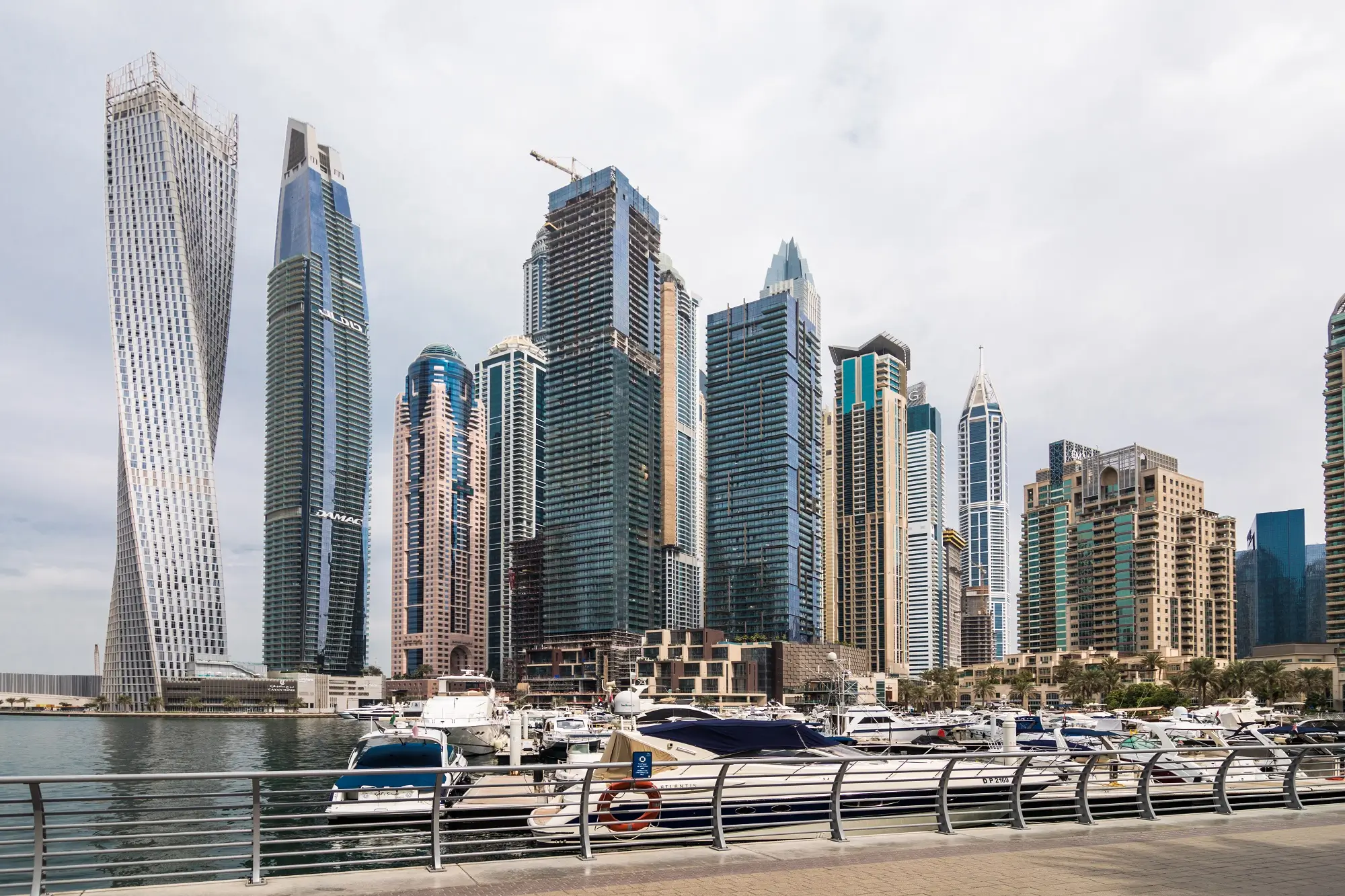
Dubai is no longer just a city of glass towers and desert opulence. In 2026, it has quietly become one of the Middle East’s most ambitious adopters of sustainable living in Dubai, and the real estate sector is leading that transformation.
The emirate’s real estate market is undergoing a significant green transformation, from solar-powered rooftops to pedestrian-first communities. Knowing which green communities in Dubai 2026 are having the greatest impact is crucial, whether you’re an investor, an end-user, or just interested in the future of urban living. Everything is broken down in this guide.
Why Sustainable Real Estate in Dubai Is No Longer Optional
The global climate agenda, rising energy costs, and a new wave of environmentally conscious buyers have converged to make green buildings in Dubai a commercial imperative. The Dubai 2040 Urban Master Plan has set an audacious target: double the city’s green and recreational spaces while making 60% of its land natural reserves.
At the same time, tenants and buyers are voting with their wallets. Research consistently shows that eco-friendly homes in Dubai command a 5–15% price premium, while offering significantly lower utility costs. For developers, going green has shifted from a marketing tagline to a financial strategy.
To be concise, here is what the the sustainability in Dubai real estate market looks in like in numbers in 2026:
38% of new Dubai launches in 2025 marketed as eco-conscious
5–15% price premium for green property investment Dubai
30% reduction in energy bills in energy-efficient homes Dubai
2040 target year for Dubai’s green urban transformation
The Top Green Communities in Dubai Leading in 2026
Not all eco-labelled developments are created equal. Here are the communities where sustainability is genuinely woven into the fabric of daily life, backed by certifications, design, and infrastructure.
1- The Sustainable City – Dubai Hills – Revolving All Around Sustainability
Still the gold standard in 2026, The Sustainable City remains the UAE’s most well-known example of sustainable living in Dubai. Built around a zero-energy philosophy, it generates more electricity than it consumes through solar-powered homes UAE rooftop arrays.
The community features car-free zones, organic urban farms, biodomes, and EV-only buggies. Residents pay zero service charges on energy, a remarkable feat in a city where air conditioning can account for 70% of home energy use. Its model is now being replicated in the upcoming Sustainable City, Yas Island and Heerah projects across the UAE.
- Net zero communities Dubai benchmark: energy surplus every year since 2020
- 100% renewable energy via 3,000+ rooftop solar panels
- Organic waste composting and greywater recycling on-site
2. Expo City Dubai – Best For Family And Community Living
What began as the site of Expo 2020 has transformed into one of the most ambitious smart sustainable homes Dubai developments globally. Expo City Dubai now houses residents, businesses, and cultural institutions across a walkable, mixed-use urban district.
The district is powered in large part by renewables, with a district-wide cooling system and smart energy management infrastructure. More than 124 hectares of the site are green space. Buildings like the Terra Sustainability Pavilion, now a permanent structure, serve as living labs for LEED certified buildings Dubai innovation.
- Targeting LEED Platinum and BREEAM certifications across new residential blocks
- Integrated smart grid managing energy across the entire city district
- Dedicated cycling infrastructure and seamless pedestrian connectivity throughout
3. Dubai South – Green District – The Best Pick For Investment
Positioned near Al Maktoum International Airport, Dubai South’s Green District is one of the most talked-about entries in green property investment Dubai circles. Developed with the Dubai 2040 Urban Master Plan firmly in mind, it prioritises low-density, biophilic design with abundant tree canopy coverage.
Its masterplan mandates that all new builds meet LEED certified buildings Dubai standards at minimum Silver level. With government offices, logistics hubs, and a growing residential population, property values here have appreciated steadily,making it a compelling long-term sustainability-driven investment.
4. Mohammed Bin Rashid City (MBR City) – District One West – The Innovative Addition
District One West extends the legacy of its predecessor with an even stronger sustainability focus. Featuring the world’s largest eco-friendly homes Dubai crystal lagoon development within its borders, its design philosophy centres on reducing the urban heat island effect through extensive water features, permeable paving, and native landscaping.
All villas in the latest phases are equipped with smart sustainable homes Dubai systems with AI-managed irrigation, solar water heating, and real-time energy dashboards for residents. Developer MEYDAN has committed to a 40% carbon reduction target by 2030.
5. Tilal Al Ghaf – Majid Al Futtaim – The Least Of Carbon Consumption
Tilal Al Ghaf represents the private sector’s most credible commitment to low carbon footprint real estate Dubai. Built around a lagoon and a vast network of shaded trails and parks, the community prioritises passive cooling and natural ventilation in its building design, reducing reliance on mechanical systems.
Majid Al Futtaim has pledged to make the entire development net zero communities Dubai ready by 2028, and is already piloting district geothermal cooling as an alternative to conventional air conditioning. It is one of the few green communities in Dubai 2026 to publish annual sustainability impact reports.
“The communities that will hold their value in the next decade aren’t the ones with the tallest towers — they’re the ones with the lowest carbon footprints.”
What Makes a Green Building in Dubai Genuinely Sustainable?
Savvy buyers and investors looking at sustainable real estate Dubai should look beyond the brochure and evaluate these five pillars:
- Energy Performance: Does the building carry an independent LEED certified buildings Dubai or BREEAM rating? What percentage of energy comes from renewables?
- Water Efficiency: Look for greywater recycling systems, low-flow fixtures, and smart irrigation. Dubai’s water scarcity makes this non-negotiable.
- Transport & Connectivity: True sustainable communities UAE minimise car dependency — proximity to metro, cycling lanes, and walkable retail matter enormously.
- Materials & Construction: Sustainable construction means responsibly sourced materials, low-VOC interiors, and reduced embodied carbon — not just operational efficiency.
- Community Governance: Does the development track and publish its sustainability data? Accountability separates leaders from laggards in green property investment Dubai.
The Role of the Dubai 2040 Urban Master Plan in Shaping Sustainable Development
Launched in 2021 and now entering its most active implementation phase, the Dubai 2040 Urban Master Plan is the regulatory backbone behind the surge in sustainable real estate Dubai. It designates five distinct urban centres, each with clearly defined sustainability requirements, from minimum green-space ratios to mandated building efficiency standards.
For developers, compliance is no longer optional. The Dubai Municipality’s energy-efficient homes Dubai building code — Al Sa’fat — requires all new residential buildings to achieve a minimum three-star rating, with four and five-star ratings increasingly expected by major lenders and institutional investors. Buildings that exceed standards qualify for fast-tracked permitting, a powerful incentive in Dubai’s competitive construction market.
This policy framework has effectively raised the floor. What was considered progressive green buildings in Dubai in 2019 is now the regulatory baseline in 2026.
Is Green Property Investment Dubai Worth It?
The short answer: increasingly, yes, and the data is catching up to the narrative. Eco-friendly homes in Dubai have shown stronger rental yields in communities like The Sustainable City, where occupancy rates have consistently topped 95%. More importantly, regulatory risk is shifting: buildings that don’t meet energy-efficient homes Dubai standards face growing difficulties attracting institutional capital and future resale to quality-conscious buyers.
Global ESG investing trends are also filtering into UAE real estate. Family offices and sovereign wealth funds increasingly require sustainability credentials for acquisitions, a dynamic that benefits sustainable real estate Dubai assets disproportionately.
The conventional wisdom that green buildings Dubai carry a prohibitive development cost premium has also eroded. In 2026, the delta between standard and LEED certified buildings Dubai construction costs narrowed to roughly 2–4% for new builds, a gap easily recovered through energy savings within five years.
