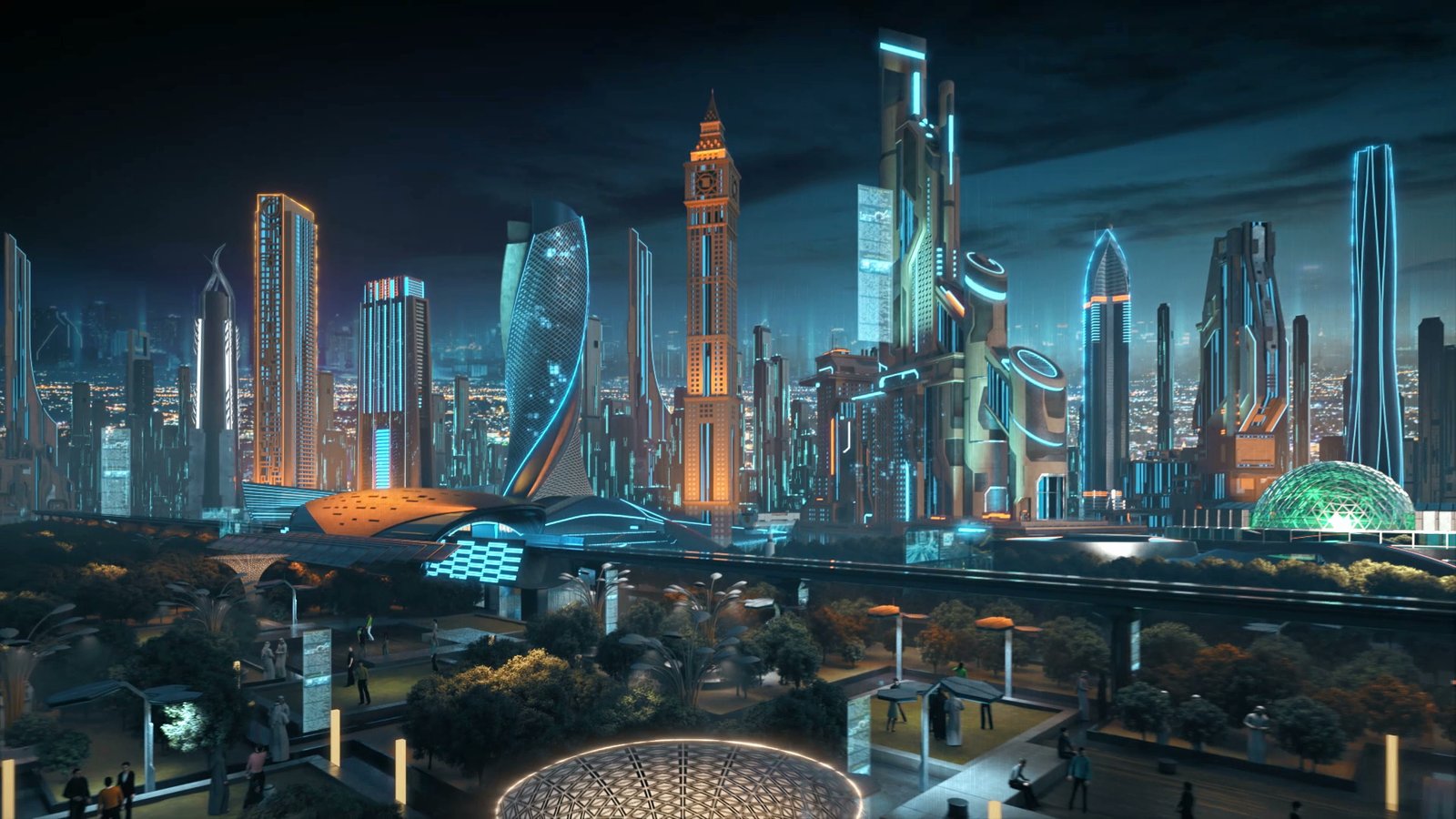
The Dubai 2040 Urban Master Plan stands as one of the most ambitious urban strategies in the world, a blueprint designed to transform Dubai into a global model for sustainable living, innovation, and balanced growth. Unveiled by His Highness Sheikh Mohammed bin Rashid Al Maktoum, this visionary roadmap outlines how the city will evolve over the next two decades while maintaining harmony between economic development, environmental preservation, and quality of life.
The plan’s central purpose is to make Dubai the world’s best city to live in by 2040. To achieve this, it reimagines every aspect of urban life, from housing and mobility to green infrastructure and leisure. It provides a structured vision where innovation, human well-being, and sustainability are not separate goals but interconnected elements driving the city’s progress.
The Vision Behind Dubai 2040
At its core, the Dubai 2040 Master Plan seeks to create a city that grows intelligently, where development complements rather than competes with the environment. Unlike previous expansion phases driven purely by real estate growth, this master plan focuses on smart, people-centered design. It envisions a city where every resident can access essential services, parks, and workplaces within minutes, reducing commute times and improving day-to-day life.
By 2040, Dubai’s population is projected to increase from 3.5 million to 7.8 million, nearly doubling in just two decades. This rapid growth will drive major expansion in real estate, infrastructure, mobility, and public amenities. The government’s approach ensures that urban density is managed through planned urban centers and diversified zones rather than uncontrolled sprawl.
To support this growth, land use will be optimized through mixed-use developments and vertical integration, blending residential, commercial, and recreational elements within the same communities. This will reduce dependence on vehicles and strengthen Dubai’s identity as a compact, connected, and sustainable metropolis.
Nature-Driven Urban Living
A defining pillar of the Dubai 2040 Master Plan is its commitment to sustainability and environmental well-being. The city aims to expand its green spaces by 400%, turning Dubai into a greener, healthier urban landscape. Parks, walkways, cycling paths, and nature-integrated communities will dominate upcoming developments.
This commitment extends beyond parks and gardens. The plan allocates up to 60% of Dubai’s land area to natural reserves and rural spaces, preserving ecological balance and biodiversity. The goal is to merge city life with nature, giving residents easy access to outdoor recreation, community farming, and environmental education spaces.
This environmental expansion aligns with the UAE’s wider sustainability goals and the nation’s Net Zero 2050 initiative, ensuring that Dubai remains resilient in the face of climate change while offering an improved lifestyle for its people
Smarter Mobility and Urban Connectivity
Mobility is another cornerstone of the 2040 vision. The plan emphasizes smarter, sustainable, and inclusive mobility systems that reduce carbon emissions and congestion. By 2040, 55% of residents will live within walking distance of public transport, allowing for a more connected, car-free lifestyle.
Public transportation will integrate seamlessly with pedestrian-friendly streets and cycling infrastructure, creating a city where residents can move freely and efficiently. The plan also envisions advanced electric and autonomous transport solutions, along with expanded metro lines and improved last-mile connectivity.
This mobility shift is not just about convenience, it’s about reducing the environmental footprint of daily commutes and reclaiming public space for people rather than cars. With better access to transport, residents will spend less time on the road and more time enjoying leisure, work, and community activities.
New Urban Hubs and Balanced Growth
A key feature of the Dubai 2040 Master Plan is the development of five major urban centers, each designed with a distinct role and identity. These hubs will balance economic activity and population density across the emirate.
Downtown Dubai and Business Bay will remain the central business and tourism hub, the beating heart of global commerce and luxury living. Dubai Marina and JBR will continue as high-end waterfront destinations, focusing on leisure and hospitality. Expo City Dubai will emerge as a hub for innovation, technology, and education, transforming the Expo 2020 legacy into a sustainable, smart district. Dubai Silicon Oasis will serve as the technology and digital economy nucleus, housing innovation parks and research-driven communities. Finally, the historic Deira and Bur Dubai area will retain its cultural and traditional charm, connecting the future of the city to its heritage.
This multi-nodal design ensures that every district becomes self-sustaining, reducing the pressure on central areas and distributing growth evenly across Dubai. The result will be a city that grows in all directions without losing balance or character.
Beyond the Shoreline
Dubai’s coastline will undergo a dramatic transformation. The plan calls for the expansion of public beaches by four times, shaping a new era of waterfront living. These areas will not only provide recreational opportunities but also integrate sustainability through eco-friendly design and coastal preservation.
The city’s existing relationship with the sea, one that began with its pearl-diving roots, will be redefined through vibrant beachfront developments, public marinas, and open spaces that prioritize community engagement. Waterfront living will no longer be limited to the few; it will become an accessible part of urban life for everyone.
This expansion of the coastline also reflects Dubai’s growing status as a global tourism hub. More public beaches mean greater inclusivity, better tourism infrastructure, and stronger community life anchored by leisure and well-being.
Redefining Urban Growth Through Connected Communities
The Dubai 2040 Master Plan is not just about buildings and infrastructure, it’s about people. Its ultimate goal is to enhance the quality of life for residents through design that encourages community interaction, inclusivity, and accessibility.
Neighborhoods will be planned around 20-minute accessibility, meaning that housing, education, healthcare, retail, and recreation will all be within a 20-minute reach for most residents. This concept of “proximity living” strengthens social cohesion and promotes local economies.
The plan also pays special attention to affordable housing and community facilities, ensuring that people from diverse income groups can find their place in the city. Mixed-income developments will promote inclusivity and prevent social segregation, reflecting Dubai’s global diversity.
Innovation and Economic Resilience
While sustainability and liveability remain at the core, economic innovation is the engine powering Dubai’s transformation. The 2040 Master Plan reinforces the city’s ambition to remain a global business and innovation hub by supporting sectors such as technology, education, health, logistics, and green energy.
By allocating space for innovation districts and research zones, Dubai will continue attracting global talent and investment. The focus on technology-driven growth complements its goals for smart governance and data-driven urban management.
This innovation ecosystem is expected to create thousands of new jobs, encourage entrepreneurship, and strengthen Dubai’s competitiveness on a global scale. The balance between tradition and technology ensures that the city remains forward-looking without losing its cultural identity.
Lifestyle of the Future
Beyond infrastructure and economy, the Dubai 2040 Master Plan redefines what it means to live in Dubai. It introduces a lifestyle model where convenience, well-being, and sustainability coexist seamlessly.
Imagine walking through shaded boulevards surrounded by greenery, cycling to work, or spending weekends on newly developed public beaches and eco-resorts. Every district, from Marina to Expo City, will offer a unique living experience designed to foster balance between work and relaxation.
This shift from car-centric to people-centric living will make communities more vibrant, with spaces designed for leisure, sports, and culture. The emphasis on art, heritage, and local identity ensures that Dubai’s modern skyline continues to coexist with its deep-rooted traditions.
